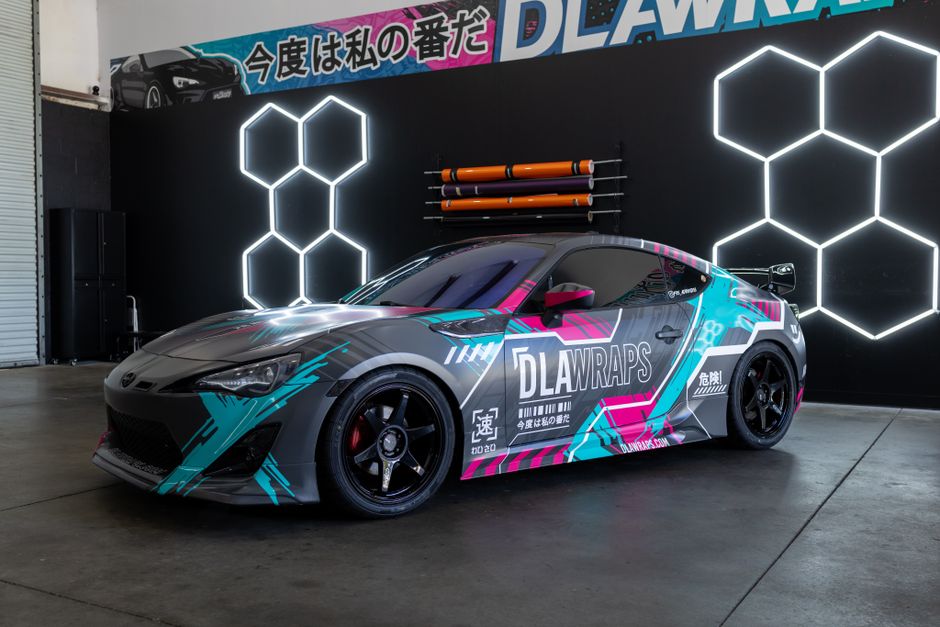

Evaluating Signage & Wrap Providers

A practical guide to understanding the standards, regulations, and quality markers that separate professional signage work from the rest.

What This Resource Covers

Signage and vehicle wraps seem straightforward on the surface, but the quality, compliance, and longevity of the work hinges on details most business owners don't see. This guide unpacks the standards, certifications, and regulations that matter—and tells you what to ask when evaluating a provider.

Key Industry Standards

5–7
Years (Typical Wrap Lifespan)
49 CFR
Federal Vehicle Marking Code
30+
Years ISA Industry Leadership
1999
3M Certification Program Launch

Federal Compliance & Regulations

Professional truck lettering and vinyl signage work
Proper lettering ensures compliance with DOT marking requirements

Commercial vehicles operate under federal guidelines that affect signage and lettering. Federal law (49 CFR § 390.21) requires commercial vehicles to display the carrier's legal name and USDOT number in contrasting, legible lettering on both sides—a detail worth confirming before any truck lettering project. The requirements specify minimum height, contrast ratios, and placement, and ignoring them can result in fines or operational restrictions.

If your business operates commercial vehicles, your signage provider should be familiar with these requirements and build compliance checks into their design and installation process. A professional approach saves headaches and legal risk down the line.

Installer Credentials & Certifications

Vehicle wraps and graphics require precision installation. Material, design, and execution all matter—but so does the person applying the wrap to your vehicle. When vetting a wrap installer, look for credentials like the 3M Certified Graphics Installation Company designation, which reflects hands-on training and adherence to an industry code of conduct.

Professional storefront signage installation

3M Program Significance

The 3M certification demonstrates that installers have trained in substrate preparation, application techniques, and quality standards. This matters for longevity—a wrap installed by a certified professional often outlasts one installed by an untrained vendor.


Illuminated channel letter professional signage

Quality Assurance Processes

Professional providers conduct pre-installation inspections, verify vehicle condition, prep surfaces properly, and test adhesion before and after application. They also provide care instructions and warranty documentation—signs that they stand behind their work.

Fleet vehicle branding with professional wraps

Longevity & Durability

The difference between a three-year and seven-year wrap often comes down to installation quality. Professional application protects the vehicle's finish, ensures proper adhesion even in harsh conditions, and prevents premature peeling or fading.

What to Evaluate: A Reference Checklist

Evaluation Criterion What to Look For Red Flags
Industry Certifications 3M Certified or equivalent; ISA membership or affiliation No credentials; unfamiliar with standards
Design Process Mockups, color proofs, compliance review before production Rush to production; no review steps
Material Knowledge Can explain vinyl types, durability ratings, warranties Vague on materials; all work treated the same
Installation Standards Vehicle prep, adhesion testing, weather considerations discussed Rush installation; no prep conversation
Documentation & Warranty Written warranty; care instructions; project records No warranty; verbal agreements only
Compliance Awareness Familiar with DOT marking, lettering height, local codes Unaware of regulations; dismissive of compliance
Portfolio & References Portfolio shows variety; references available; visible examples No portfolio; unwilling to provide references

Common Pitfalls to Avoid

Overlooking the Design Phase

Rushed design leads to color mismatches, readability issues, or compliance oversights. A quality provider dedicates time to strategy, sketches, and proofs before production begins.

Ignoring Material Specifications

Not all vinyl is created equal. Cast vs. calendered, premium vs. budget, and substrate type all affect longevity and appearance. A cheap material may save money upfront but fade or peel within 2–3 years.

Skipping Surface Preparation

Improper vehicle prep (wax residue, dirt, oxidation) compromises adhesion. Professional installers wash, dry, and prep surfaces to spec—a step that separates lasting wraps from ones that fail early.

Choosing Based on Price Alone

The cheapest bid often reflects corner-cutting. Material choice, labor costs, and expertise vary. A realistic quote aligns with industry standards and includes proper design, production, and installation phases.

Skimping on Aftercare

Wraps need minimal maintenance but benefit from proper care (gentle washing, avoiding abrasive chemicals). Providers should include care instructions and remain available for touch-ups or repairs within the warranty period.

Questions to Ask Your Potential Provider

Are you 3M certified or equivalent?

This confirms formal training in application standards. If they hold the certification, they can show you the credentials. If not, ask what training or standards they follow instead.

Can you walk me through your design and approval process?

A solid answer includes strategy discussion, mockups, color proofing, and compliance review. If their answer is vague or skips these steps, it suggests a less rigorous approach.

What material are you recommending, and why?

They should explain the vinyl type, durability rating, UV resistance, and expected lifespan. Vague answers like "premium vinyl" without specifics suggest limited material expertise.

How do you prepare surfaces before installation?

Professional providers describe vehicle washing, decontamination, surface inspection, and temperature/humidity checks. This attention to prep reflects commitment to durability.

What warranty do you offer, and what does it cover?

Look for written warranties (not just verbal promises) that specify duration, coverage (adhesion, color fade, workmanship), and what voids the warranty (improper care, harsh conditions, etc.).

Are you familiar with DOT marking requirements for commercial vehicles?

If your project involves truck lettering or commercial markings, this question confirms regulatory awareness. A knowledgeable provider will explain lettering height, contrast, and placement rules.

Can you provide references or a portfolio of recent work?

References and visible examples demonstrate experience and allow you to see the quality firsthand. Unwillingness to share either is a significant red flag.

Need Help Finding the Right Partner?

Understanding these standards puts you in a stronger position to evaluate providers and make informed decisions. If you'd like guidance on connecting with experienced professionals, we're here to help.